Lutheran Friends of the Deaf.
The 501(c)(3) nonprofit organization that founded — and continues to operate — every part of Mill Neck Center for the Deaf. Established 1947. Headquartered Mill Neck, NY. Reaching the world.
One nonprofit. One operating name. One mission.
In 1947, a group of Lutheran pastors gathered to form a nonprofit organization with one purpose — to bring quality education, sign language access, and spiritual life to Deaf children and adults on the East Coast of America. They named it Lutheran Friends of the Deaf, Inc. — and they incorporated it as a 501(c)(3) tax-exempt religious and educational organization.
Seventy-five years later, that same nonprofit is still here — still doing the same work, still under the same charter, still anchored at the historic 86-acre Mill Neck Manor estate it purchased in 1949. It is the legal entity that owns the buildings, employs the staff, holds the licenses, accepts the donations, and bears the tax-exempt status that makes everything we do possible.
For public-facing communication — for clarity with the families we serve, with our donors, with the broader community — we operate under the name Mill Neck Center for the Deaf. It is the same organization, simply doing business under a name that better describes who we serve and where we work. Same EIN. Same Board. Same mission.
Our legal identity.
The Word, made accessible.
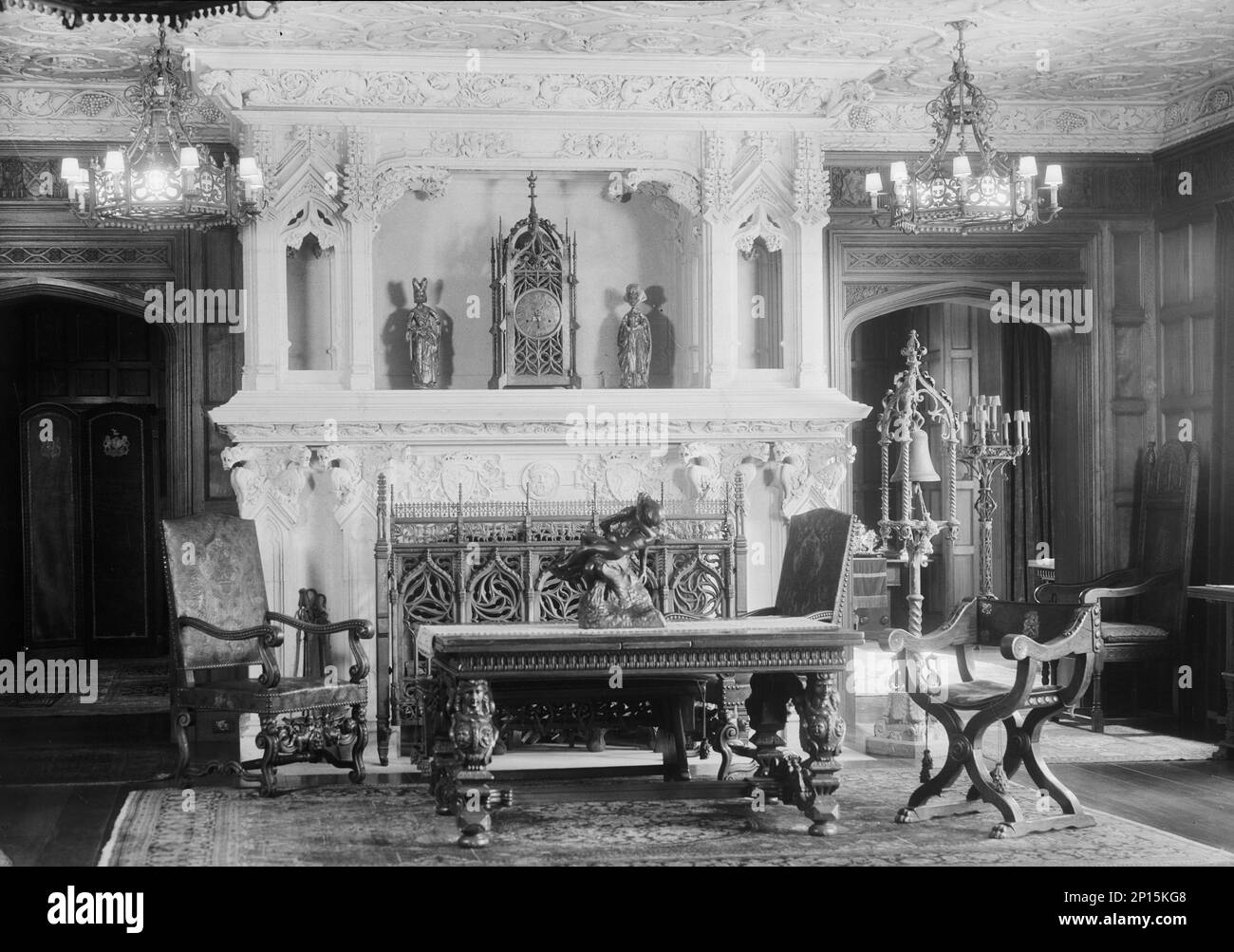
While Mill Neck Center for the Deaf serves the broader Deaf community through education, services, and philanthropy regardless of faith, the founding mission of Lutheran Friends of the Deaf is explicitly spiritual: to provide resources, instruction, and support services to the global Deaf community so that the Word of God is accessible to all.
LFD provides workshops and Deaf missions presentations, translates Lutheran liturgy into American Sign Language, produces Bible stories and videos in ASL, and advocates for Deaf access to faith communities everywhere.
Our staff serve from the Mill Neck campus to Michigan, Missouri, Connecticut — and across the world to Ethiopia.
A place of prayer, since 1958.
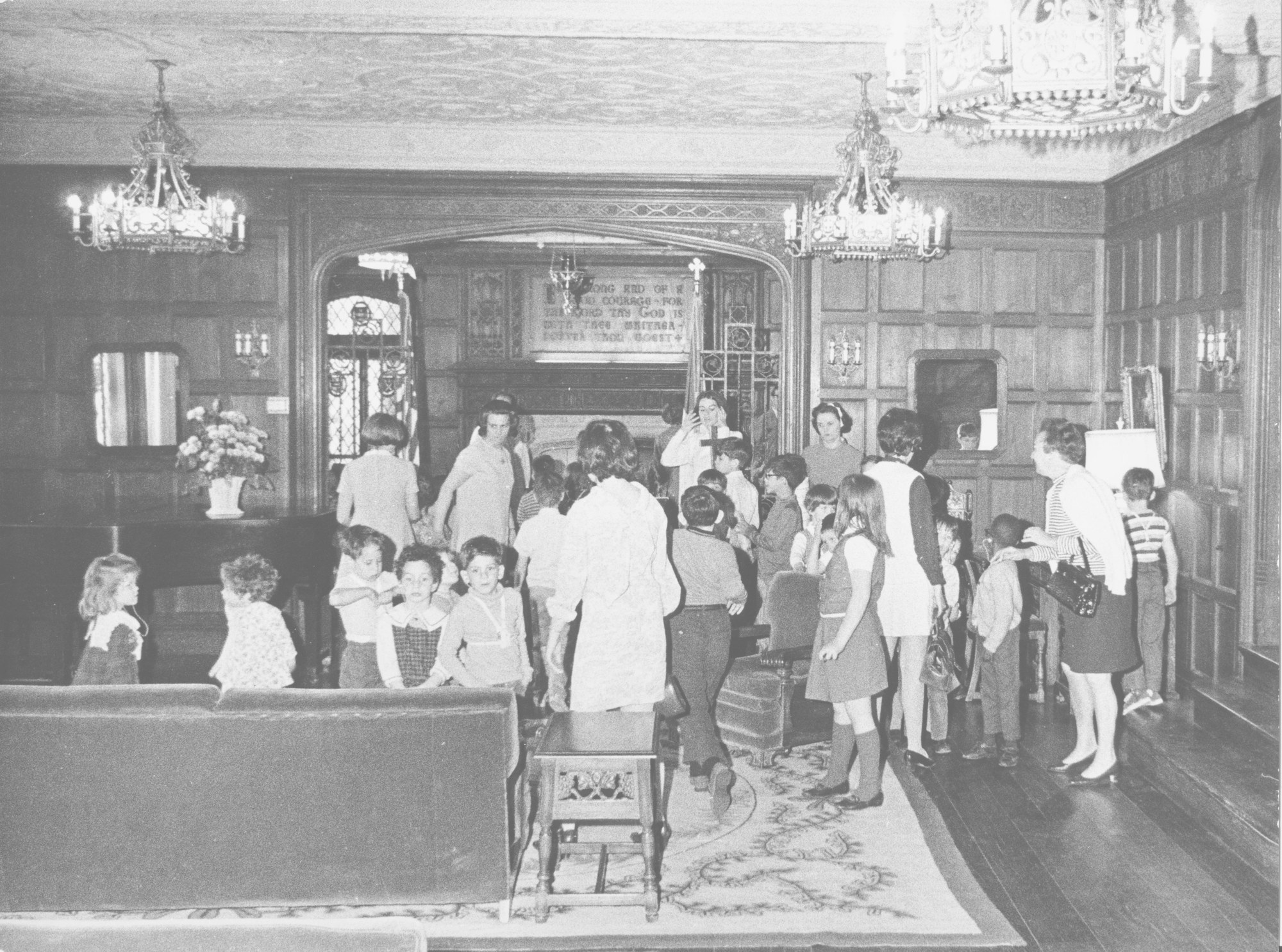
Inside the Mill Neck Manor sits the John of Beverley Chapel — dedicated on September 14, 1958. The chapel is named for the 7th-century English saint who, according to tradition, was the first known person to teach a Deaf man to speak — a beloved figure in the history of Deaf education and ministry worldwide.
For more than 65 years, the John of Beverley Chapel has been a place where students, staff, families, and visitors of every background have gathered for prayer, reflection, worship, and rest. It is one of the quiet centers of everything Mill Neck does.
Ministry, mission, and food security.
ASL Bible & Liturgy
Bible stories, videos, and Lutheran liturgy translations into American Sign Language — making the Word of God accessible to Deaf and Hard-of-Hearing people worldwide.
Global Deaf Missions
Staff deployed in the U.S. (Michigan, Missouri, Connecticut) and internationally in Ethiopia — supporting Deaf communities through ministry, training, and pastoral care.
Chapel & Pastoral Care
Regular worship services in the John of Beverley Chapel, Vacation Bible School, Bible studies, and pastoral visitation for students, staff, and community members.
Duda Food Pantry
The John and Betty Duda Food Pantry program meets practical needs in our community — feeding families on Long Island who need support, regardless of background or faith.
Deaf Mission Presentations
Workshops and presentations at Lutheran churches across the country to raise awareness of Deaf ministry needs and resources. Available by request.
Advocacy for Deaf Access
Advocacy for Deaf people to have full access to the Word of God through American Sign Language — and the social justice and equality that flows from that access.
The Directory of Deaf Missions.
Lutheran Friends of the Deaf maintains a directory of Lutheran congregations across the United States that offer interpreted worship, Deaf ministry, and pastoral care in American Sign Language. Find one near you.
A clearer name for a broader mission.
In 1947, when we were founded, every program we ran was tied directly to Lutheran ministry. Today, our work has expanded — to a K–12 school serving students from every background, to adult services supporting people of every faith and none, to a Foundation that partners with donors across many traditions, and to international work that reaches Deaf communities globally.
Operating publicly as Mill Neck Center for the Deaf tells the community who we serve and where to find us. It is a more accessible way of saying the same thing the founding pastors said in 1947: we are here for the Deaf and Hard-of-Hearing community, with everything we have.
Our spiritual identity and Lutheran heritage are not diminished — they remain the wellspring of our work, the reason we exist, and the source of our endurance. Lutheran Friends of the Deaf is the river under everything we do. Mill Neck Center for the Deaf is what people see when they come to the surface.